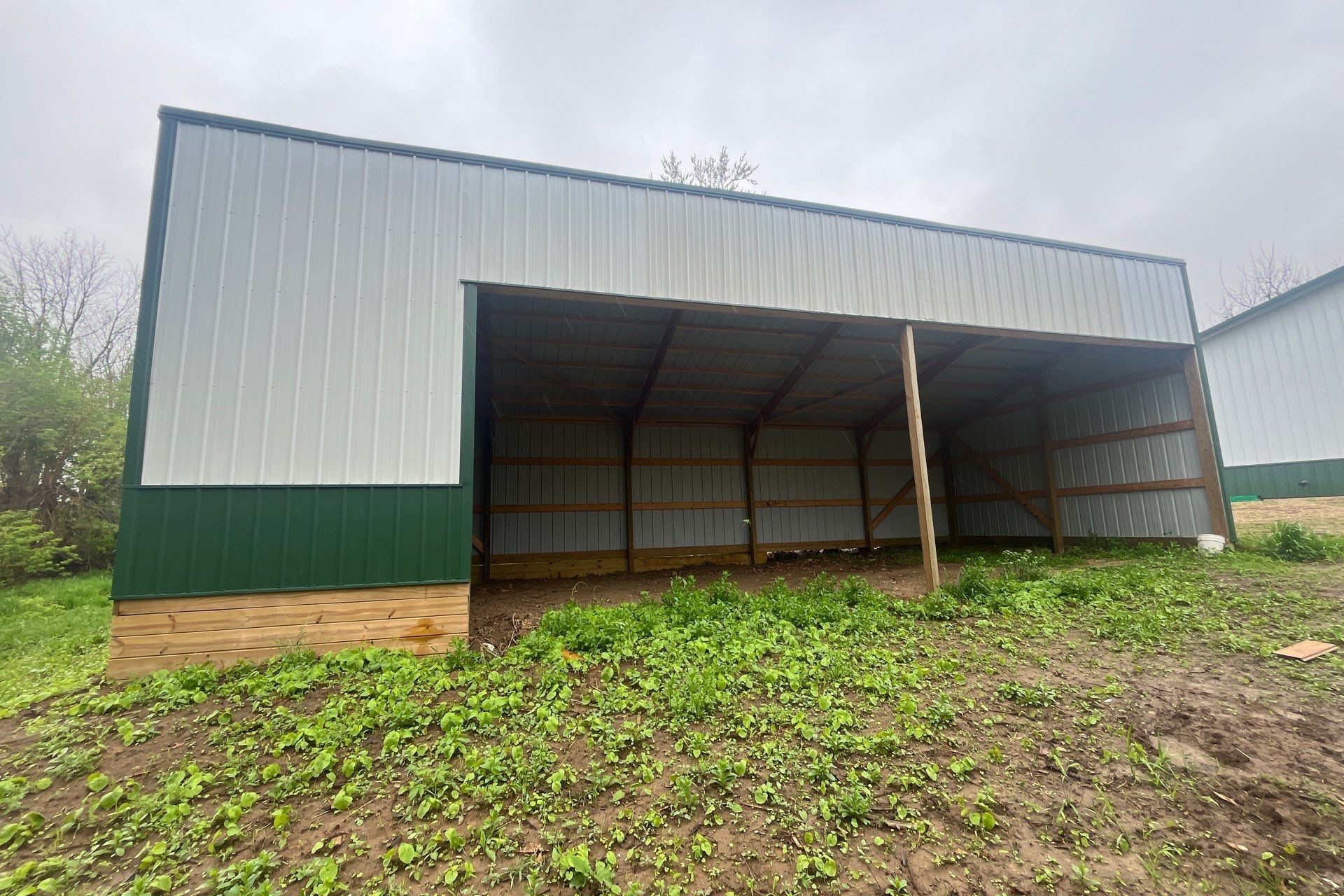
Strengthening Structural Performance
“Small structural changes can make a big difference. Strengthening stability, improving performance, and ensuring long-term reliability.”
- Caleb Vorpahl, StructSolve Engineering
The Situation
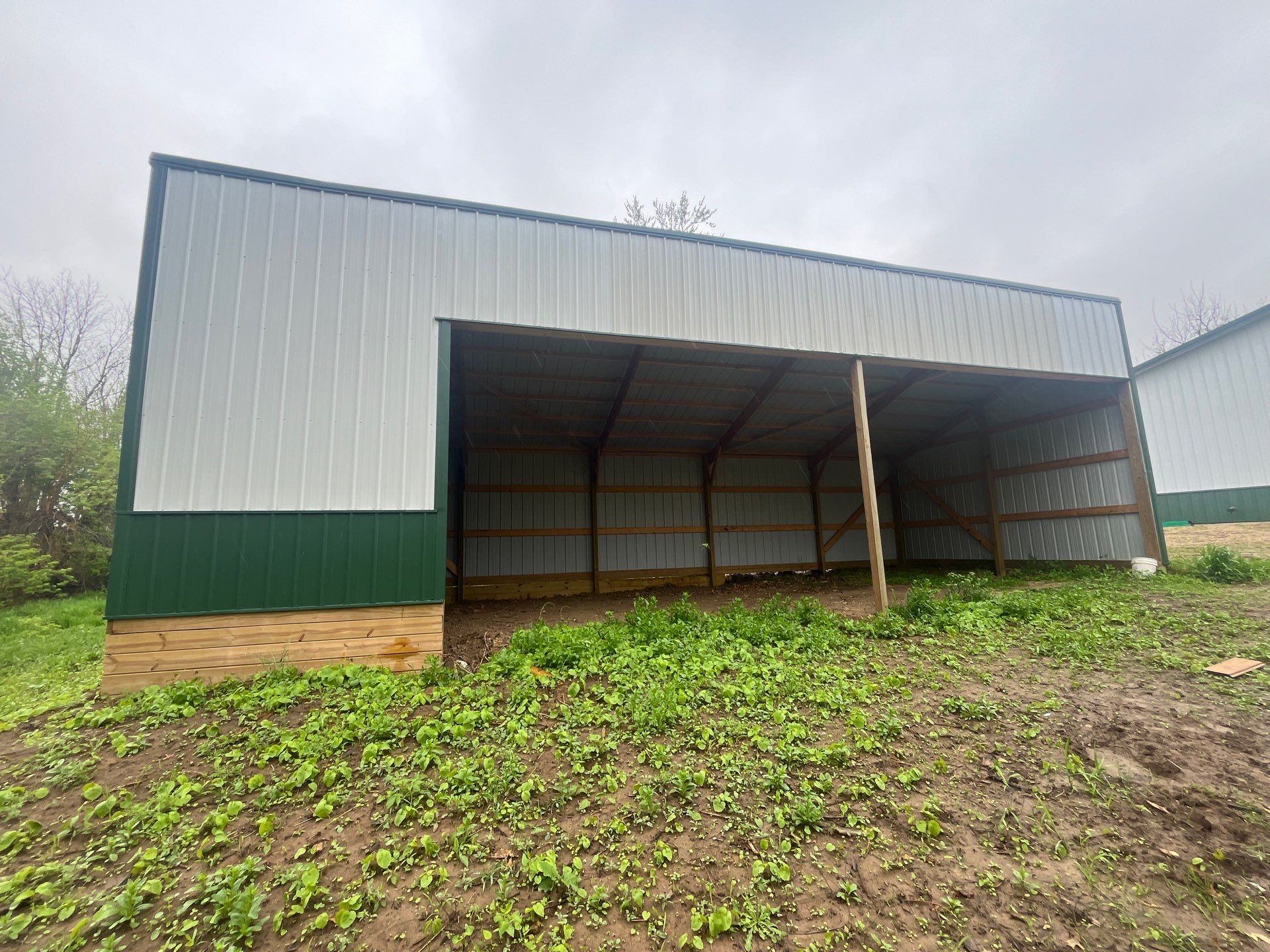
A residential property owner contacted StructSolve to evaluate and revise an existing structure to improve its wind resistance and roof framing performance. The project focused on targeted structural modifications designed to enhance lateral stability and reduce roof deflection while maintaining compliance with current building codes. The scope was carefully defined to strengthen specific structural elements without requiring full structural reconstruction, allowing for efficient implementation and cost-effective improvements.
Project Scope: Required Modifications (Revisions)
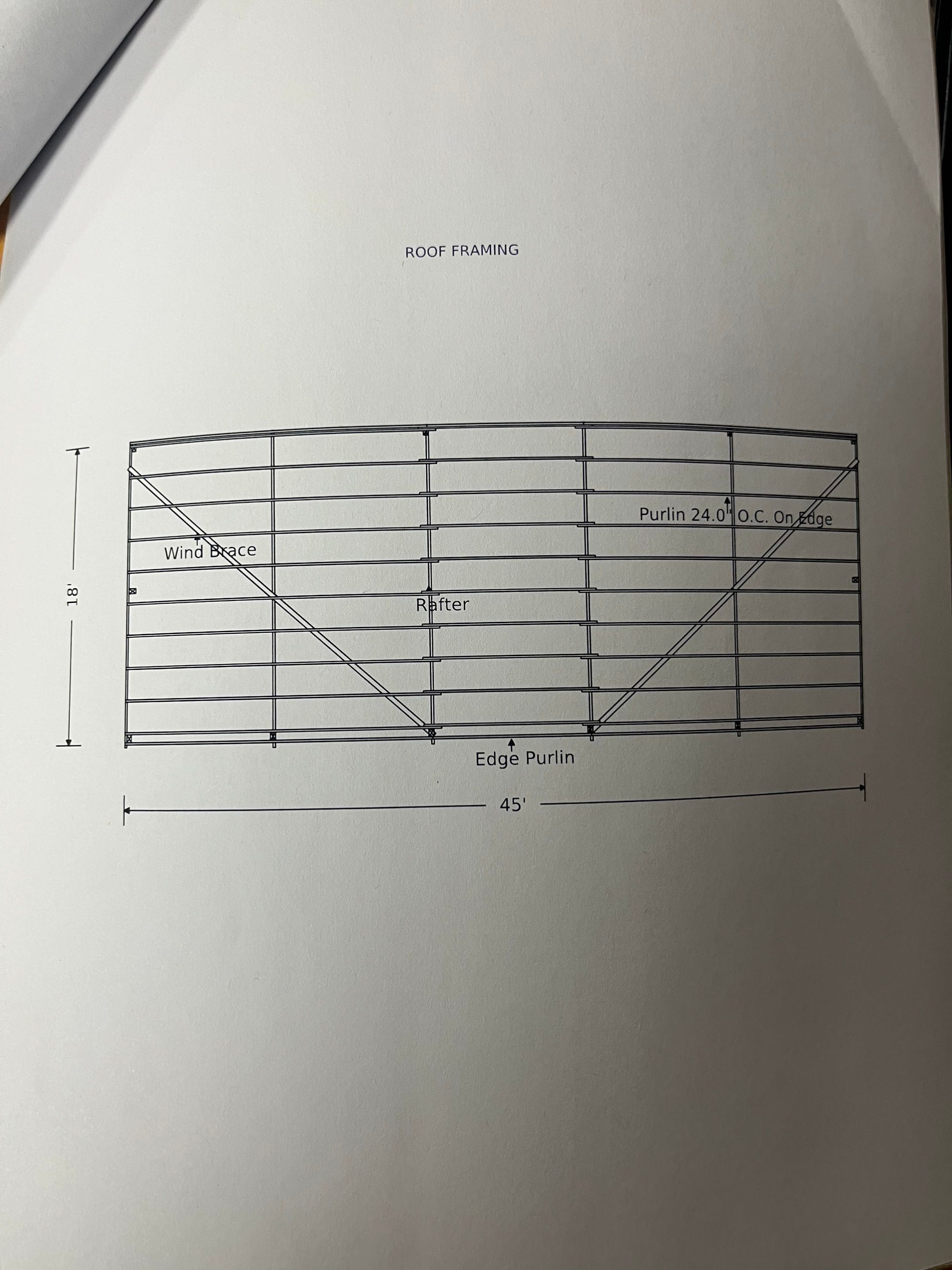
The required modifications focused on increasing the structure’s resistance to wind forces and improving roof framing stiffness. Cross bracing was added at the corners on the left and right elevations near the front corners of the structure to enhance lateral stability and reduce deformation under wind loading. In addition, purlins were added to reduce spacing and decrease purlin deflection. On the Roof Framing Plan, 2x4 purlins were incorporated to reduce the existing 24-inch on-center spacing to 12-inch on-center spacing, significantly increasing roof rigidity and improving load distribution. The rear elevation required no structural changes and was clearly noted as “NO MODIFICATIONS REQUIRED,” confirming that existing framing in that area met performance expectations.
Design Loads & Applicable Codes
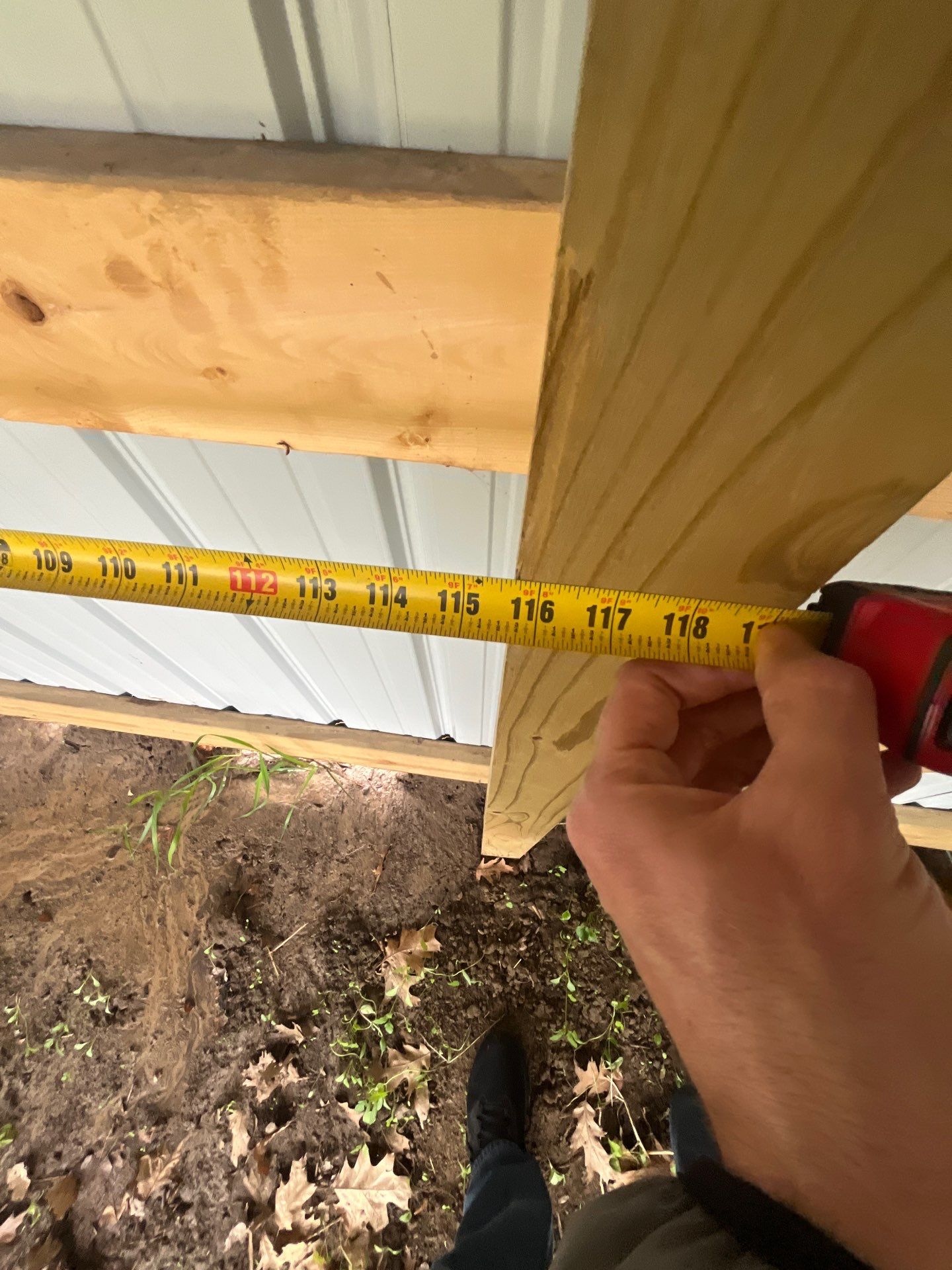
The structure was designed to Risk Category I in accordance with the current edition of the International Residential Code (IRC) and the American Wood Council National Design Specifications (AWC NDS). The design incorporated a soil bearing pressure of 1700 PSF. Roof loading criteria included a dead load of 10 PSF, a live load of 20 PSF, and a snow load of 30 PSF. Wind design was based on a basic wind speed of 105 MPH with Exposure B conditions. Deflection criteria were established as L/240 for the roof, L/90 for walls, and L/240 for headers to ensure both strength and serviceability performance under prescribed load combinations.
Concrete and Wood Notes
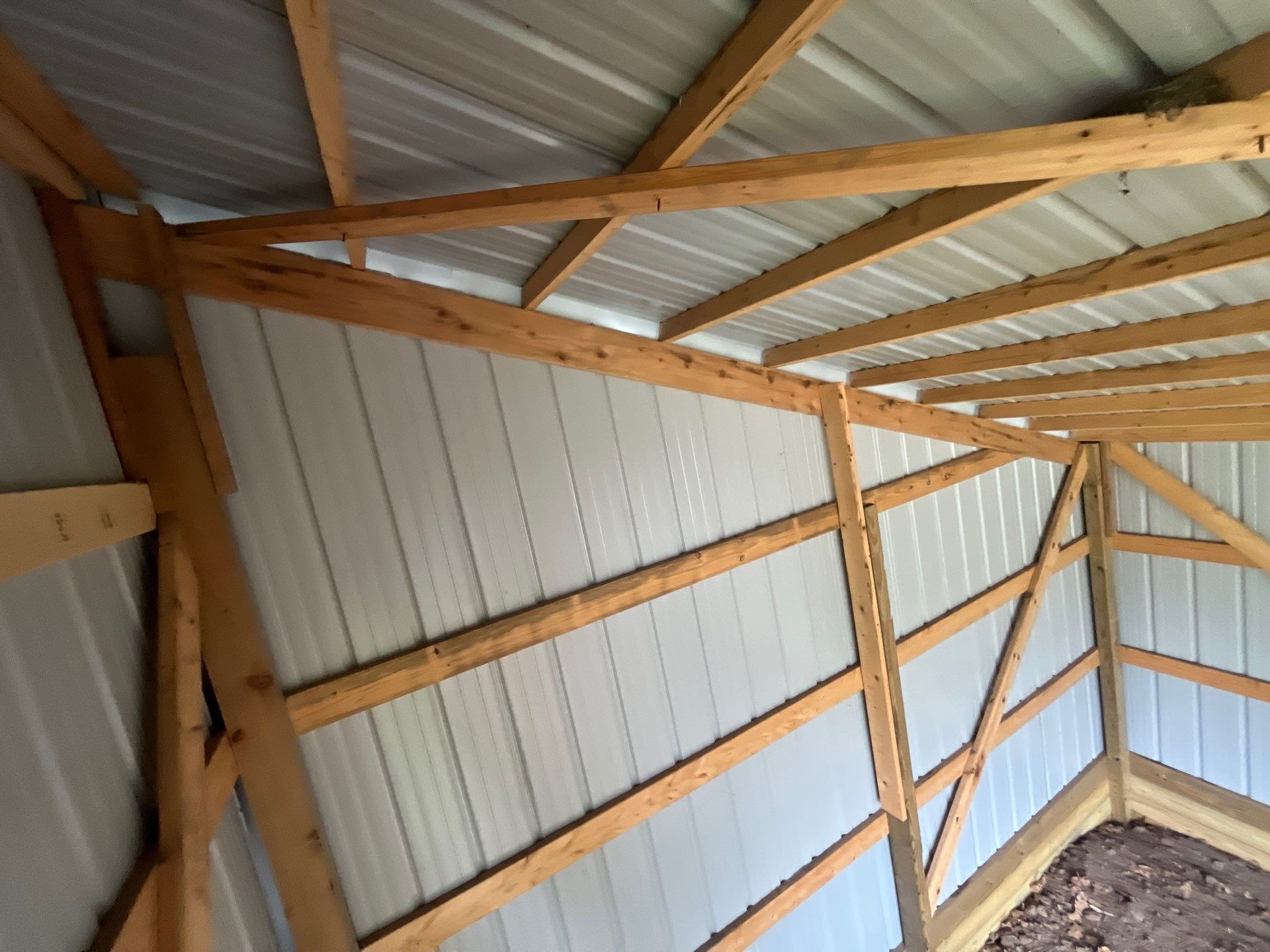
All concrete elements, including footings, foundation walls, and piers, were specified with a minimum 28-day compressive strength (F’c) of 4000 PSI. All framing lumber was specified as Douglas Fir #2 to provide reliable structural capacity consistent with AWC NDS design standards. Wood members in contact with concrete or masonry were required to be pressure treated to protect against moisture-related deterioration. Additionally, all fasteners used in these conditions were specified to be galvanized or stainless steel to ensure corrosion resistance and long-term durability.
The Outcome
Through the addition of cross bracing and the reduction of purlin spacing, the structure achieved improved lateral resistance and reduced roof deflection, bringing performance in line with current code requirements and serviceability limits. The revisions enhanced structural integrity while preserving the overall layout of the existing structure. By aligning the modifications with IRC and AWC NDS standards and clearly defining material and construction requirements, StructSolve Engineering delivered a solution that strengthened performance, ensured durability, and supported successful permitting and inspection approval.
Project Details
Location: Ely, Iowa
Client: Homeowner
Service: Project-Specific Design
Scope: Check the structural integrity of the dethatched structure.