Bringing Clarity to Foundation Concerns in an Older Home
“Travis was thorough, kind, and explained what he was doing and seeing."
- Kalee, Homeowner
The Situation
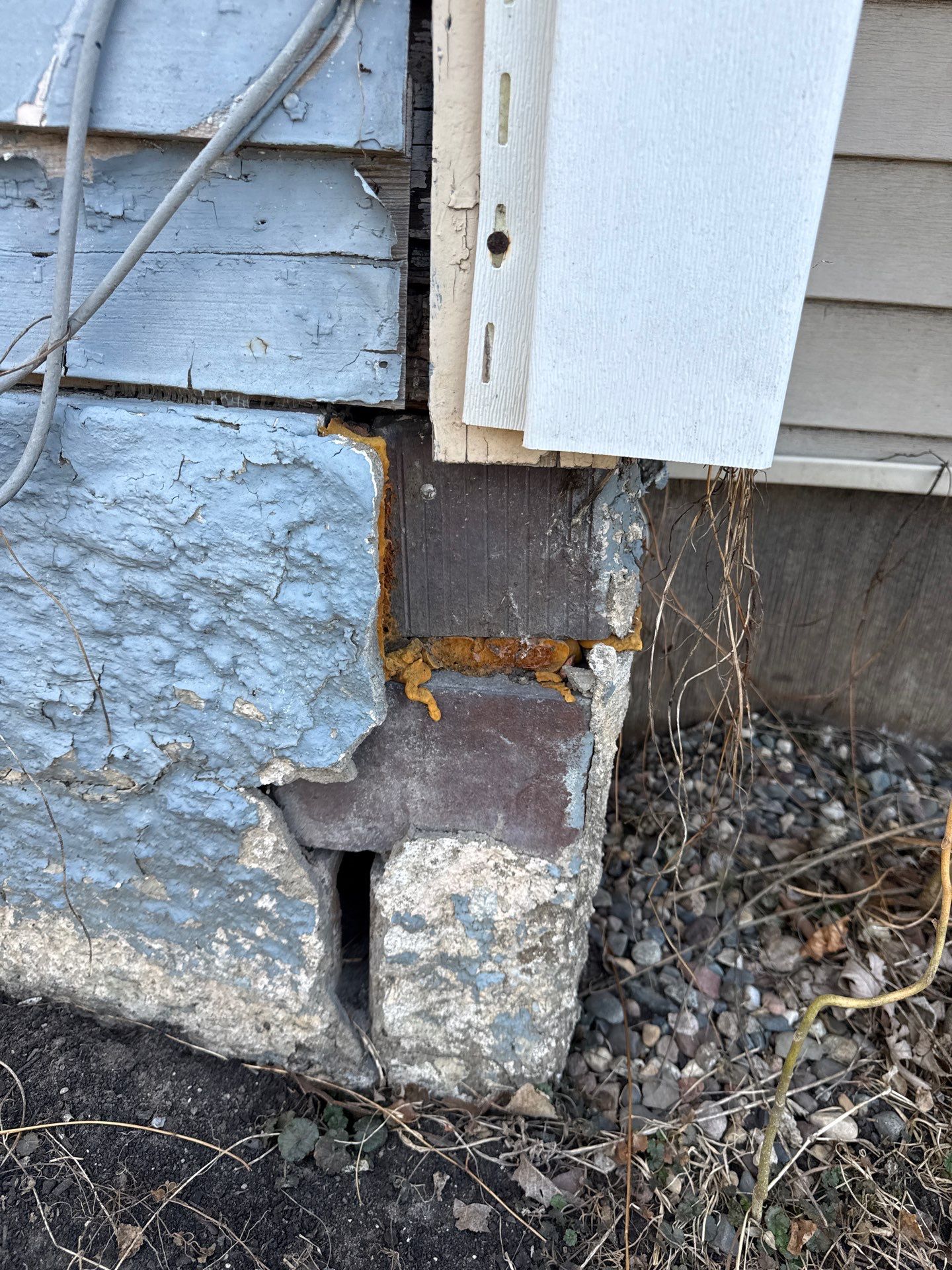
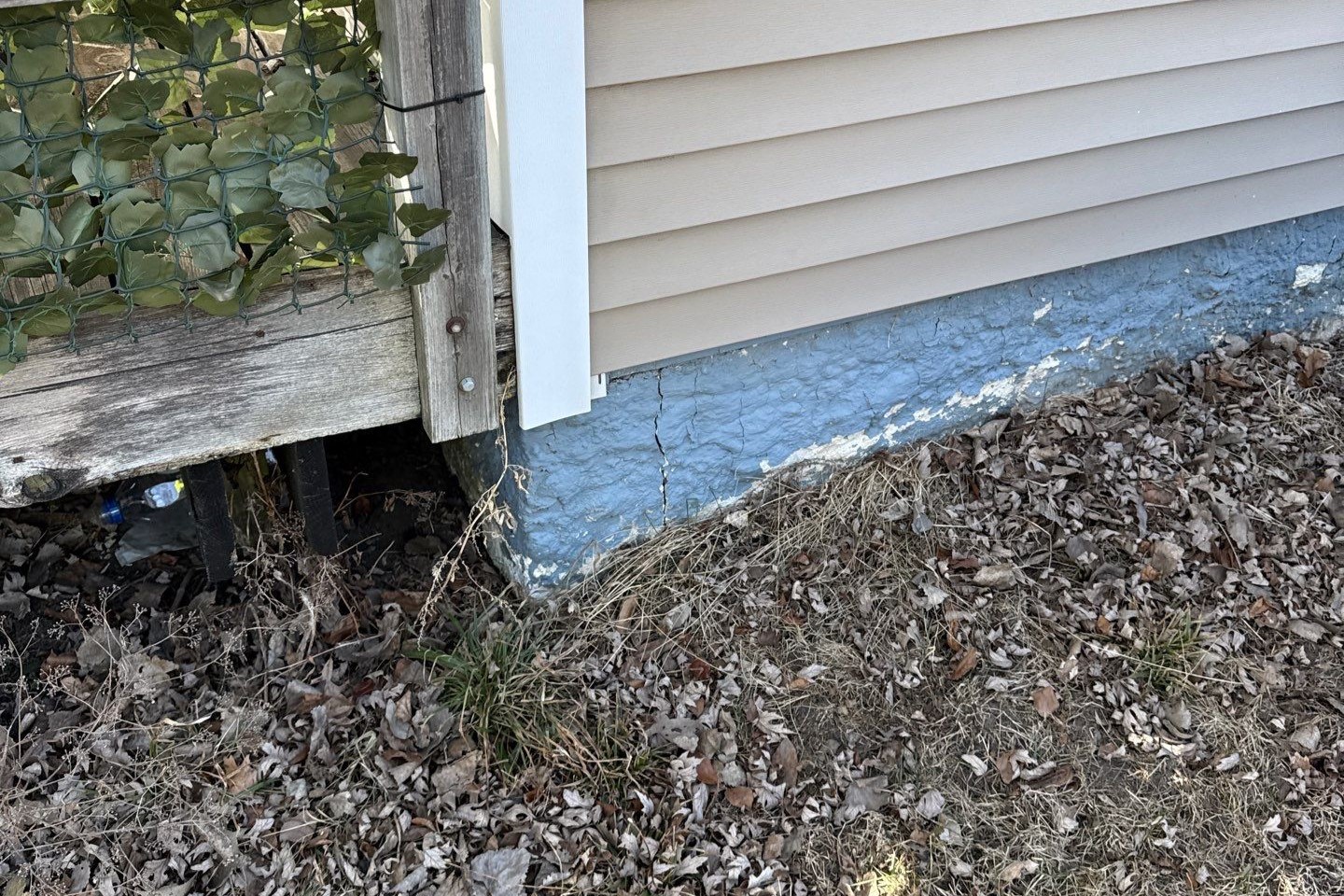
This project focused on a home built around 1900—well over a century old. Like many houses from that era, it had a lot of character, but also the kinds of questions that naturally come with age. The homeowner had started to notice possible signs of movement in the foundation and basement walls, which raised understandable concerns.
When something seems off in a home’s structure, it can be hard to know how serious the issue is. Is it just normal settling that happens over time, or is it something that needs repair? Rather than guessing, the homeowner reached out to StructSolve for a professional evaluation.
Understanding the challenge
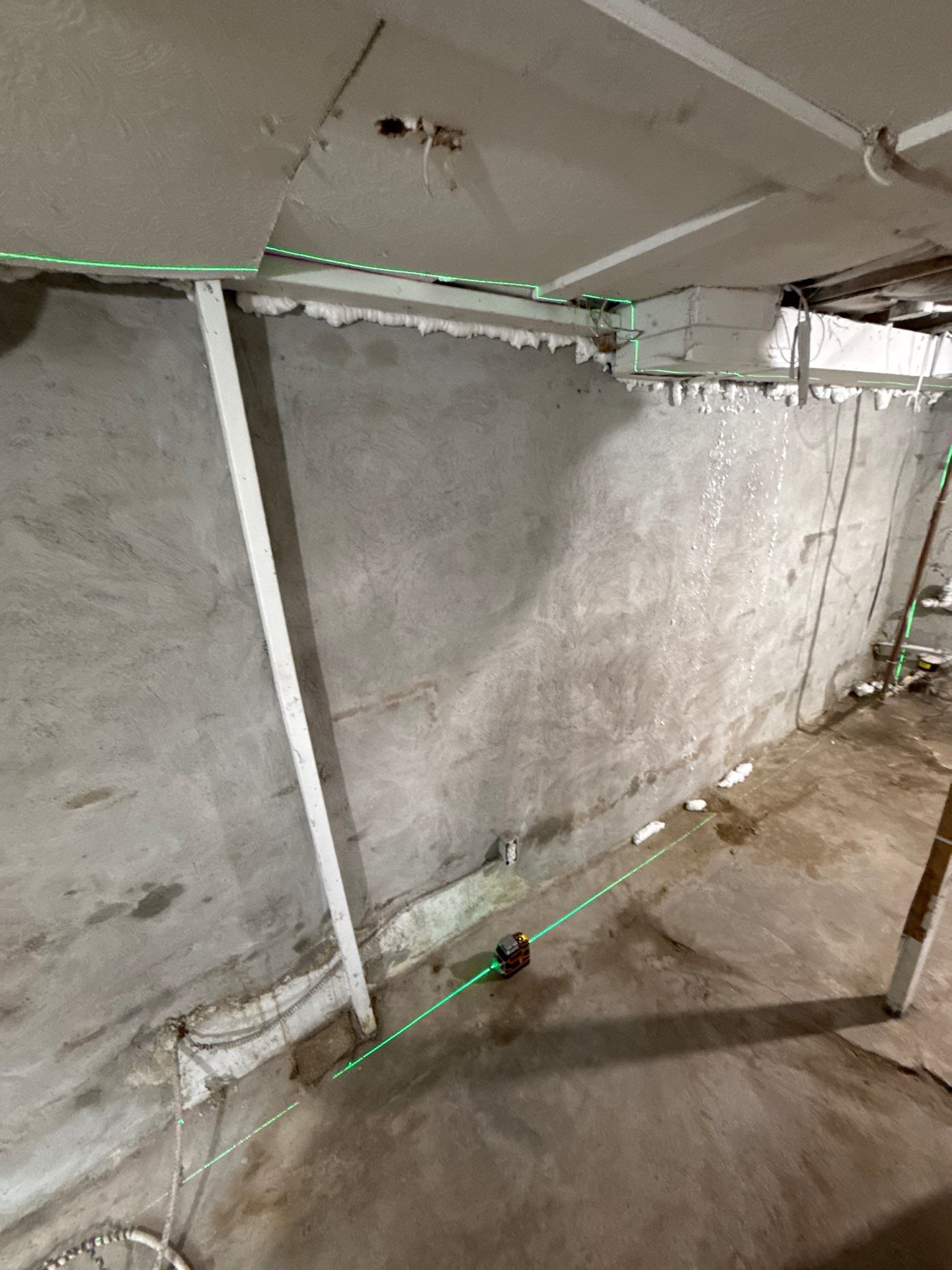
Evaluating older homes is rarely straightforward. Over decades—or even a century—materials expand, contract, settle, and slowly wear down. Small cracks or slight shifts can appear, and not all of them mean there’s a serious problem.
The challenge is knowing the difference between normal aging and something more significant. For a homeowner, that distinction isn’t always obvious. Without clear information, it’s easy to feel uncertain or even overwhelmed.
In this case, the homeowner had noticed potential movement in the foundation and basement walls. That kind of observation can raise a lot of questions: Is the house still structurally sound? Will the issue get worse? Does it need immediate repair?
What they needed was not just an opinion, but a clear explanation from an engineering perspective—something they could trust and use to make informed decisions.
The Engineering Approach
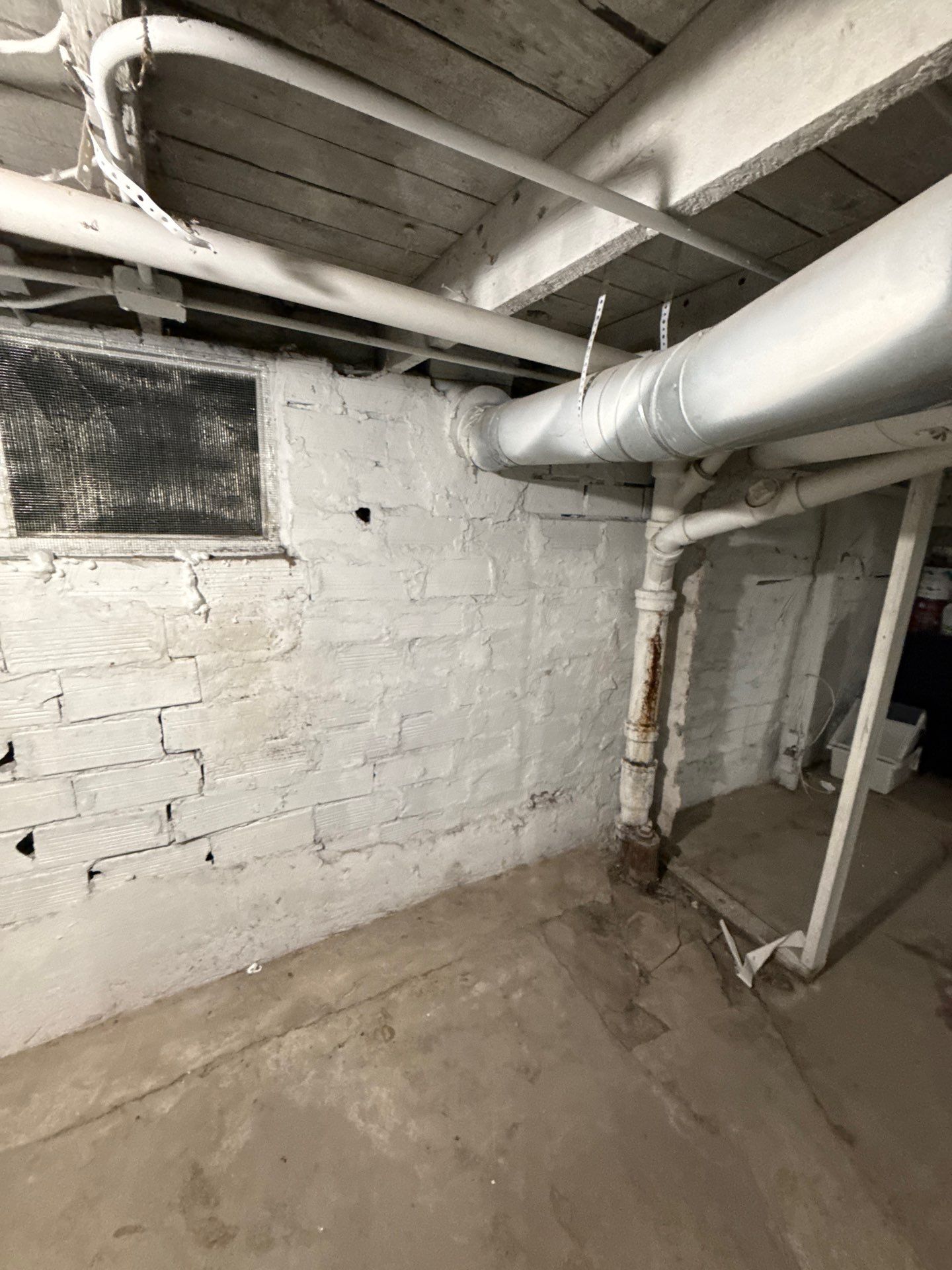
StructSolve approached the project with a careful, methodical inspection. The evaluation was visual, meaning the engineer examined all accessible areas without opening walls or disturbing the structure. This type of inspection focuses on what can be seen—cracks, shifts, and other visible signs of movement or wear.
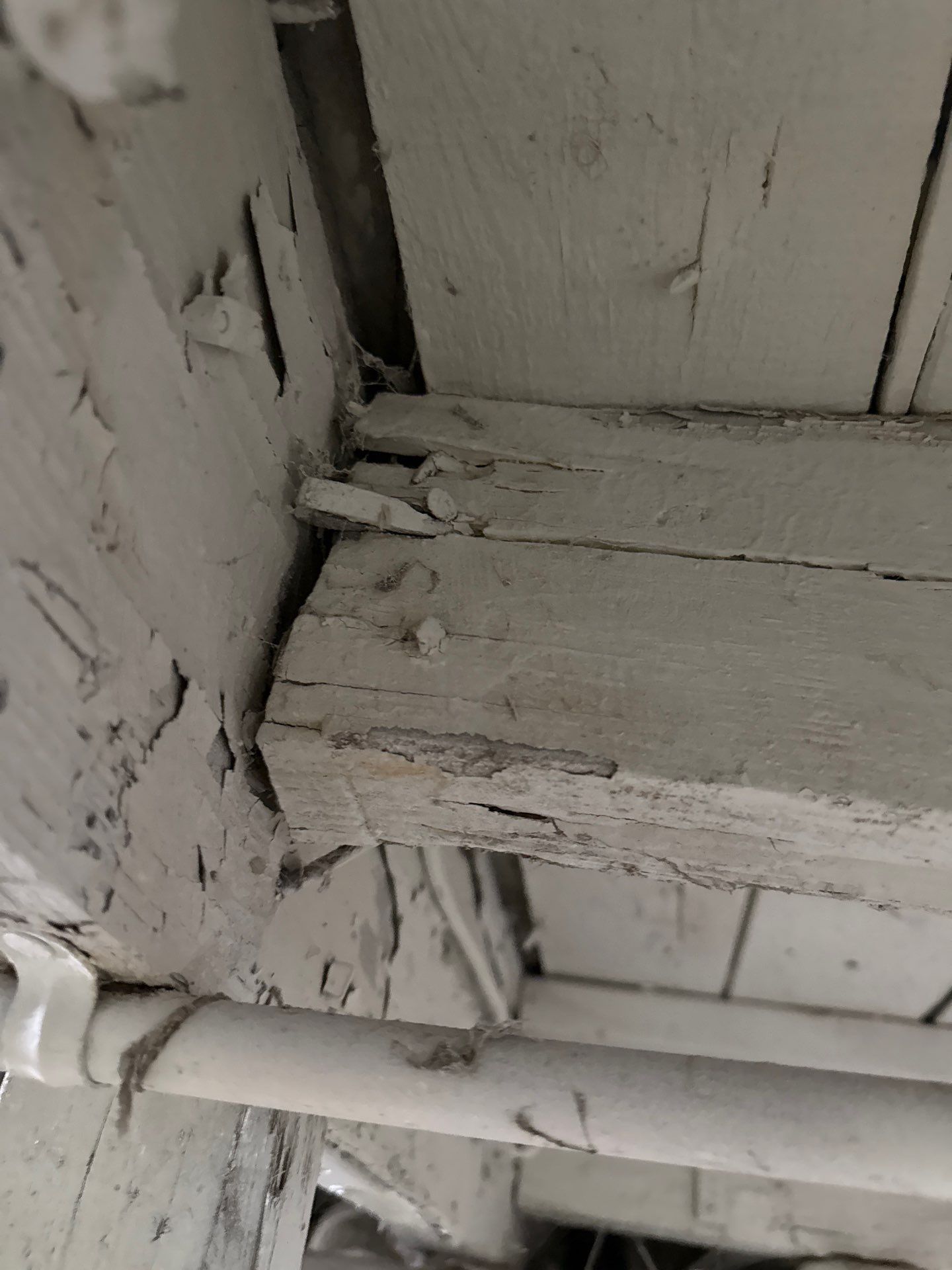
During the visit, the engineer reviewed both the interior and exterior areas related to the foundation and basement walls. They looked for patterns in cracking, checked for signs of settlement, and noted any conditions that stood out as unusual or worth monitoring.
Everything observed during the inspection was documented in detail. From there, StructSolve prepared a report that explained the findings in clear, straightforward language. The report also included recommendations for repairs or next steps, based on what could be confirmed through the visual inspection.
Because older homes often come with unique and unexpected conditions, additional engineering time was included to make sure nothing important was overlooked. This allowed for a more thoughtful and thorough evaluation.
Key Findings and the Outcome
The inspection provided valuable clarity. It helped separate what appeared to be typical for a home of this age from what might require closer attention.
Some of the observed conditions were consistent with normal long-term settling and material aging which is expected out of a house built around 1900. Other areas were identified as worth monitoring or potentially addressing, depending on the homeowner’s goals and tolerance for risk.
Just as important, the report clearly outlined the limits of a visual inspection. It explained what could be confidently assessed and what might require more in-depth investigation if the homeowner wanted additional certainty.
With this information in hand, the homeowner no longer had to rely on guesswork or conflicting opinions. Instead, they had a clear, unbiased understanding of the situation.
That clarity made a big difference. It allowed them to think about repairs and future plans with confidence, rather than uncertainty.
Next Steps
Since this evaluation did not involve invasive testing or construction work, there are still options available moving forward. If needed, the homeowner can choose to bring in contractors for repairs or pursue more detailed investigations to gather additional data.
The key advantage now is that any next step can be taken with a better understanding of the home’s condition. Whether the homeowner decides to act immediately or simply monitor certain areas over time, they are in a much stronger position to make informed decisions.
Project Details
Location: Des Moines, Iowa
Client: Homeowner
Service: Observation and Report
Scope: An observation for an older home, focusing on foundation/basement walls, settlement indicators, and interior/exterior conditions.