A Condominium Community Seeks Clarity on a Persistent Garage Leak in Clive, Iowa
“StructSolve helped our association finally understand what was causing the recurring garage leaks. Instead of recommending immediate costly repairs, they provided a clear, step-by-step plan that allowed us to address the real issues and plan responsibly for the future.”
- Condominium Association
The Situation
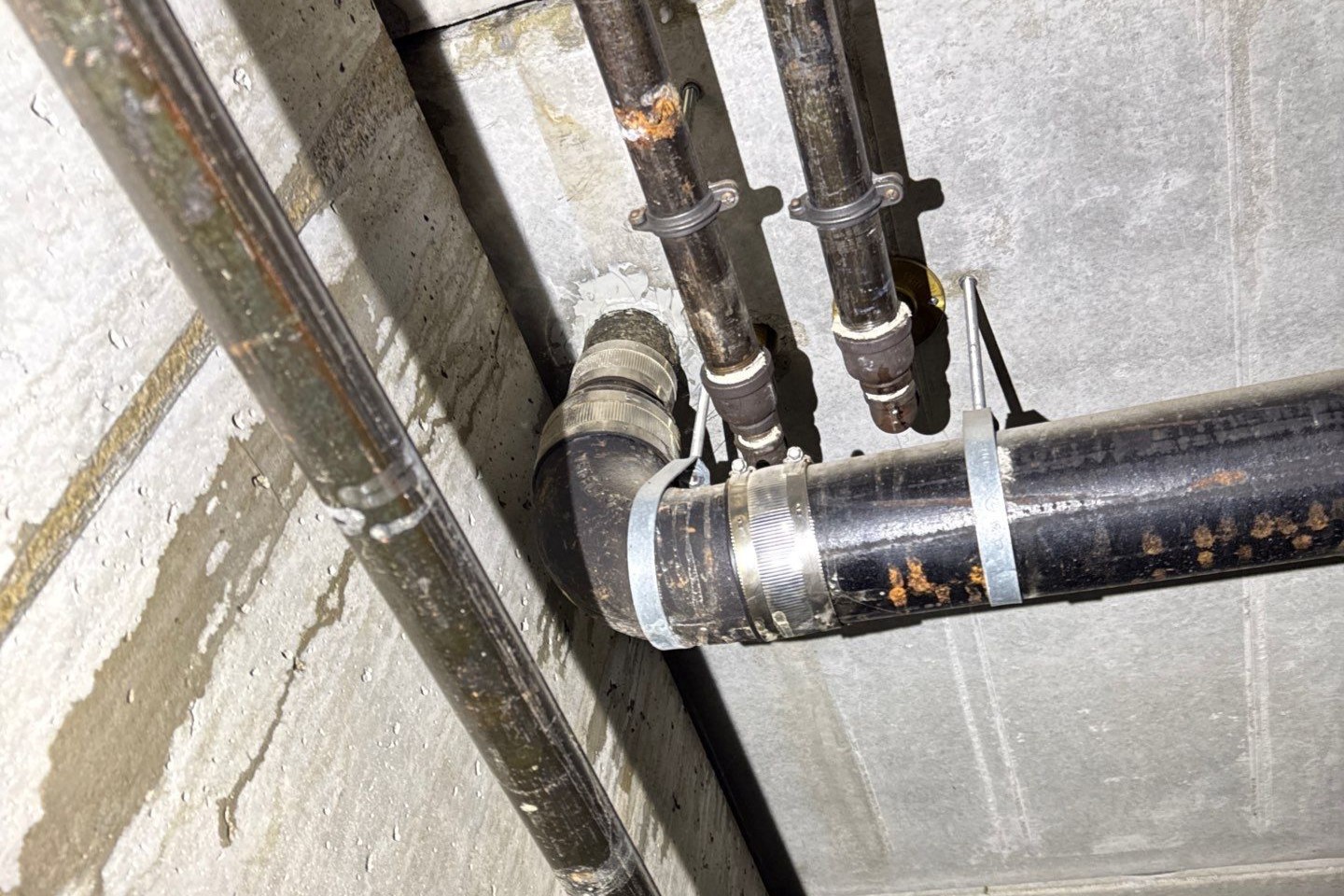
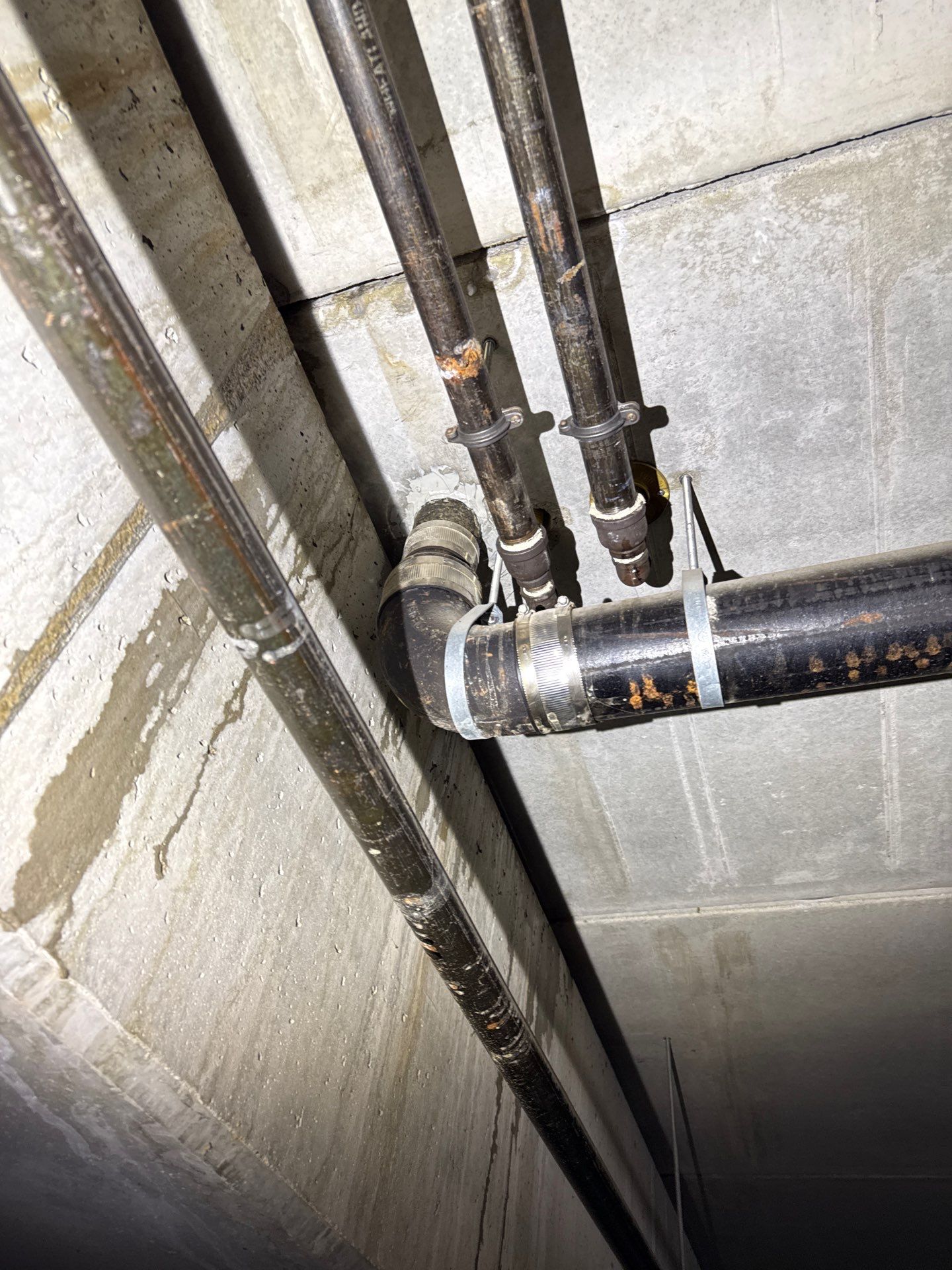
A condominium association in Clive, Iowa contacted StructSolve after experiencing a persistent garage leak that had developed into an ongoing concern for residents and property management. Water infiltration was observed at multiple locations within the underground parking structure, particularly following heavy rainfall and irrigation cycles. Residents noted recurring puddling, concrete staining, and efflorescence forming on garage ceilings and walls. Over time, concerns expanded beyond inconvenience to include potential structural deterioration, corrosion of embedded reinforcement, and long-term maintenance costs.
The building, constructed approximately three decades ago, includes elevated planters and irrigated landscaping directly above portions of the garage roof slab. Management suspected that either planter irrigation, drainage deficiencies, or aging waterproofing systems were contributing to the recurring leakage. Without clear evidence of a single failure point, the association requested an independent engineering evaluation to identify root causes and clarify appropriate next steps before committing to invasive or costly repairs.
Understanding the Garage as a System
StructSolve performed an Observation and Report to evaluate the garage roof assembly and adjacent landscaping interfaces as an interconnected system. Rather than focusing solely on interior leakage symptoms, the evaluation considered how water was introduced, managed, and resisted throughout the structure.
The garage roof consists of a reinforced concrete slab protected by a waterproofing membrane and overlain by soil-filled planters and hardscape surfaces. Over time, these systems are subject to weather exposure, thermal movement, joint deterioration, and material aging. In climates such as central Iowa, seasonal freeze-thaw cycles, heavy precipitation events, and irrigation use can accelerate membrane wear and compromise drainage performance.
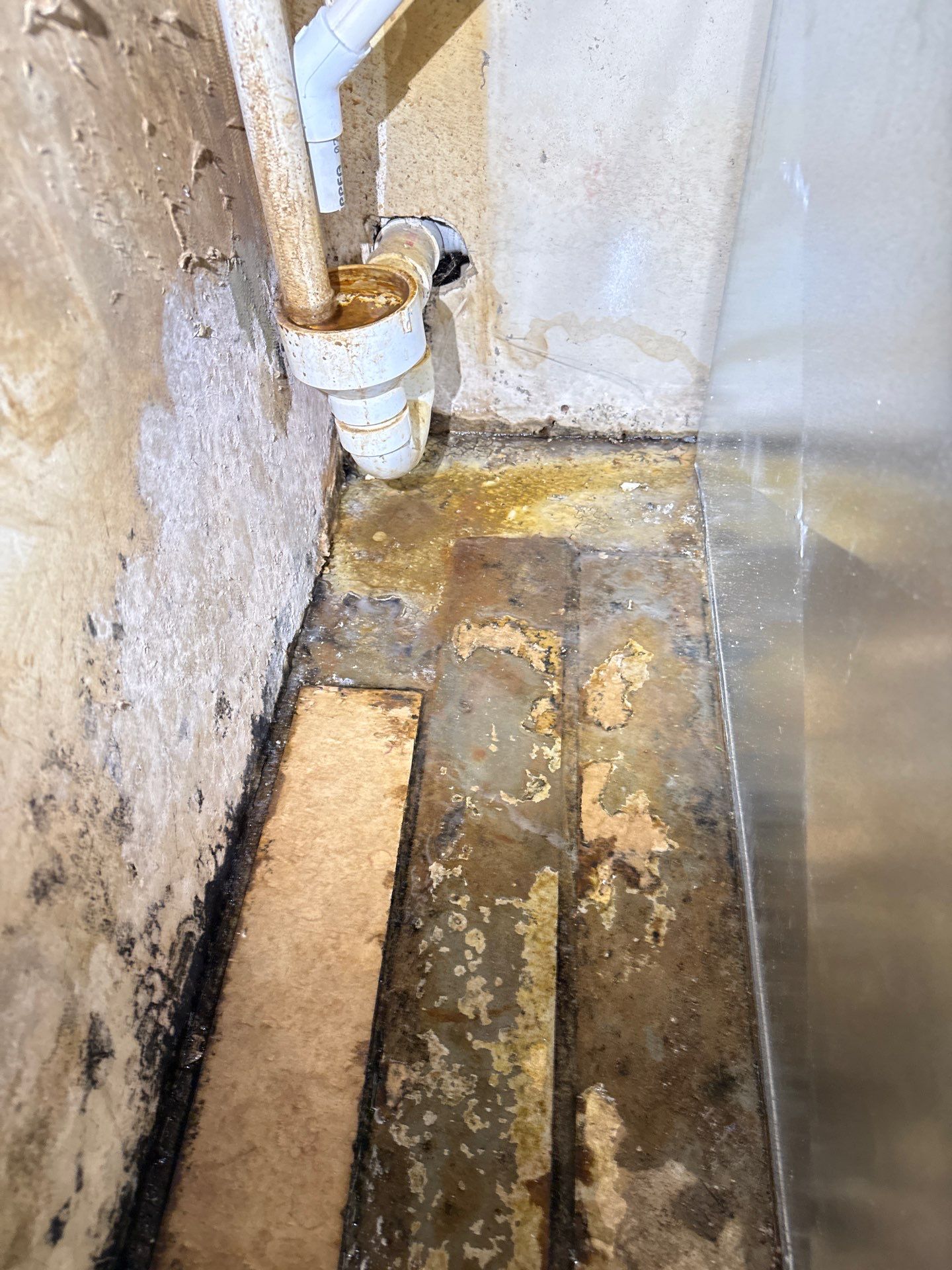
The on-site review included visual documentation of drainage slopes, membrane terminations, planter wall interfaces, expansion joints, surface cracking, and interior moisture patterns. Irrigation head placement and spray direction were evaluated to determine whether water was being directed toward building interfaces. Interior observations focused on mapping active and historic leak patterns to identify correlations with exterior conditions.
Findings From the On-Site Evaluation
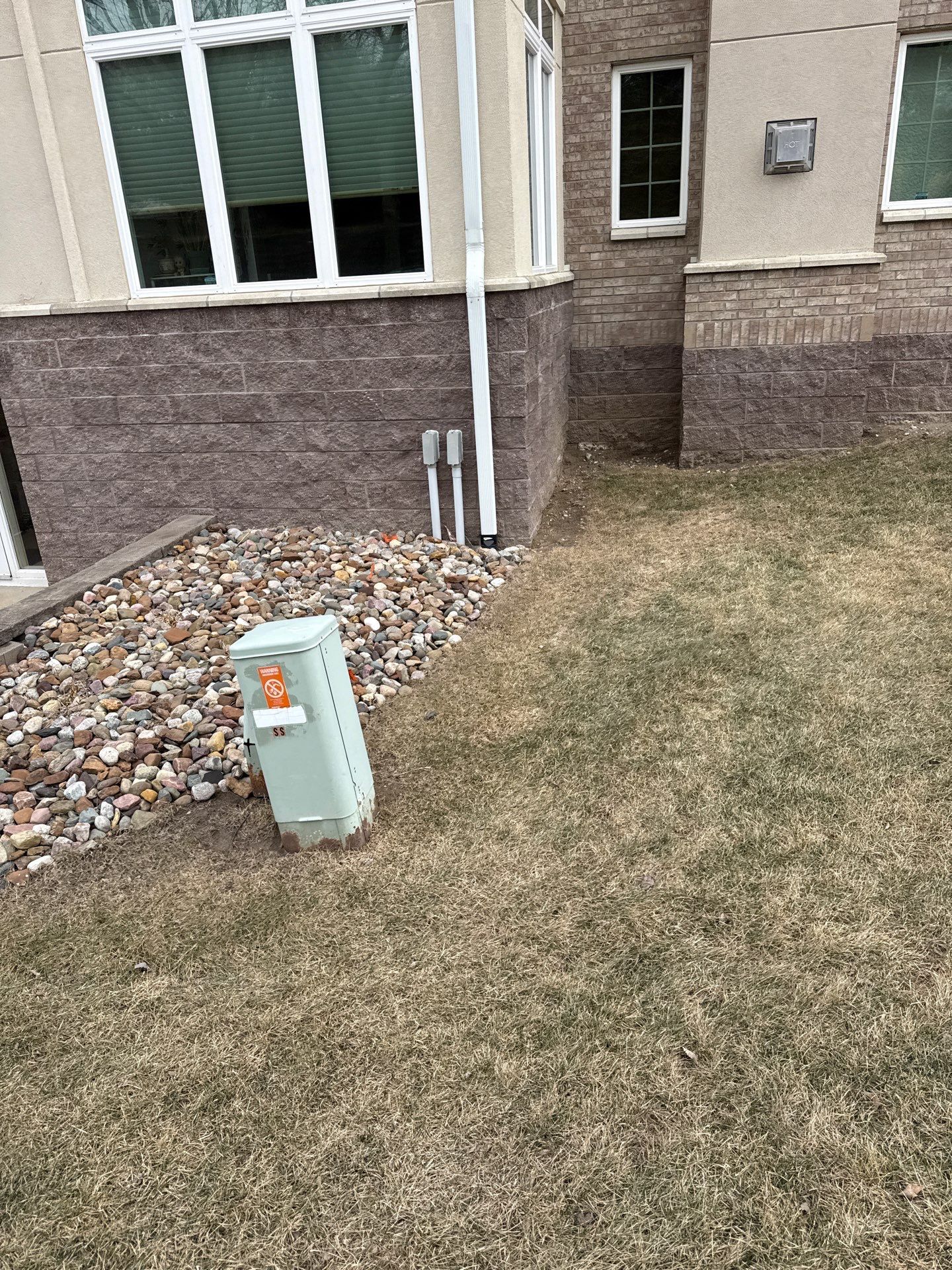
The evaluation revealed that the garage leak was not attributable to a single isolated defect, but rather to multiple contributing factors consistent with aging infrastructure. Irrigation overspray and saturated planter soils were observed in proximity to membrane termination points, increasing hydrostatic pressure against vulnerable interfaces. In several areas, planter drainage appeared limited, allowing water to accumulate above the waterproofing system during heavy irrigation or storm events.
The waterproofing membrane, while not fully exposed during this non-invasive evaluation, showed indicators of age-related degradation at visible edges and transitions. Sealants at construction joints and penetrations exhibited shrinkage and separation consistent with long-term service exposure. The concrete slab itself displayed typical age-related cracking and joint movement, creating potential pathways for water migration once the protective membrane is compromised.
Interior staining patterns suggested that infiltration occurred episodically, primarily during high water load events rather than from constant groundwater intrusion. At the time of observation, no severe structural distress was identified; however, the presence of persistent moisture increases the risk of reinforcement corrosion, concrete spalling, and progressive deterioration if left unaddressed over the next five to ten years.
Recommendations Focused on Monitoring and Prevention
Based on the findings, StructSolve recommended a phased approach centered on confirming active leak pathways and reducing water exposure before pursuing large-scale reconstruction. Targeted diagnostic testing during or immediately following irrigation cycles was advised to isolate membrane breaches or termination failures. Adjustments to irrigation heads and watering schedules were recommended to eliminate overspray and minimize soil saturation near building interfaces.
Improvements to planter drainage were encouraged to ensure positive flow away from waterproofing transitions and to reduce hydrostatic pressure on aging materials. Where membrane deterioration is confirmed, localized removal and replacement using compatible waterproofing systems would help restore continuity without requiring full system replacement. Replacement of aged sealants at joints and penetrations was also recommended to reduce capillary water migration.
The association was further advised to implement routine inspection and documentation procedures over the next several years. Monitoring moisture patterns, crack progression, and sealant condition will allow early intervention before minor infiltration evolves into structural damage.
Why Observations and Reports Matters
Persistent leaks in multi-family structures often involve overlapping systems, including waterproofing membranes, concrete assemblies, irrigation components, and drainage infrastructure. Without a systematic engineering evaluation, repair efforts may focus on symptoms rather than root causes, leading to repeated repairs and escalating costs.
An Observation and Report provides clarity by distinguishing between normal aging and actionable failure mechanisms. It equips condominium associations with a defensible understanding of existing conditions, realistic risk projections over a five- to ten-year horizon, and a prioritized roadmap for capital planning. In this case, early engineering involvement allowed the association to move forward with measured, data-driven decisions rather than speculative repairs.
Project Details
Location: Clive, Iowa
Client: Condominium Association
Service: Observation and Report
Scope: Investigation of persistent garage leak with suspected planter/irrigation and waterproofing failure, including 5–10 year aging risk assessment